Guide to the Area Around “Dōkanyamashita Heiwa-kai”
Guide to the Area Around the “Dōkanyamashita Heiwa-kai” Shopping Street in Bunkyo Ward
The area surrounding Dōkanyama, steeped in history and tradition, is dotted with various attractive spots perfect for historical exploration, casual strolls, shopping, and sampling local food. These include:
Shrines and Temples that still retain the atmosphere of the Edo period, such as Nezu Shrine, Suwa Shrine, Seiun-ji Temple (known as the “Flower Viewing Temple”), and Enmei Jizō-son.
Lush, scenic spots like Sudō Park and Nishi-Nippori Park.
Here, we will introduce a few of these spots.
Nearby Tourist Attractions & Places to Visit
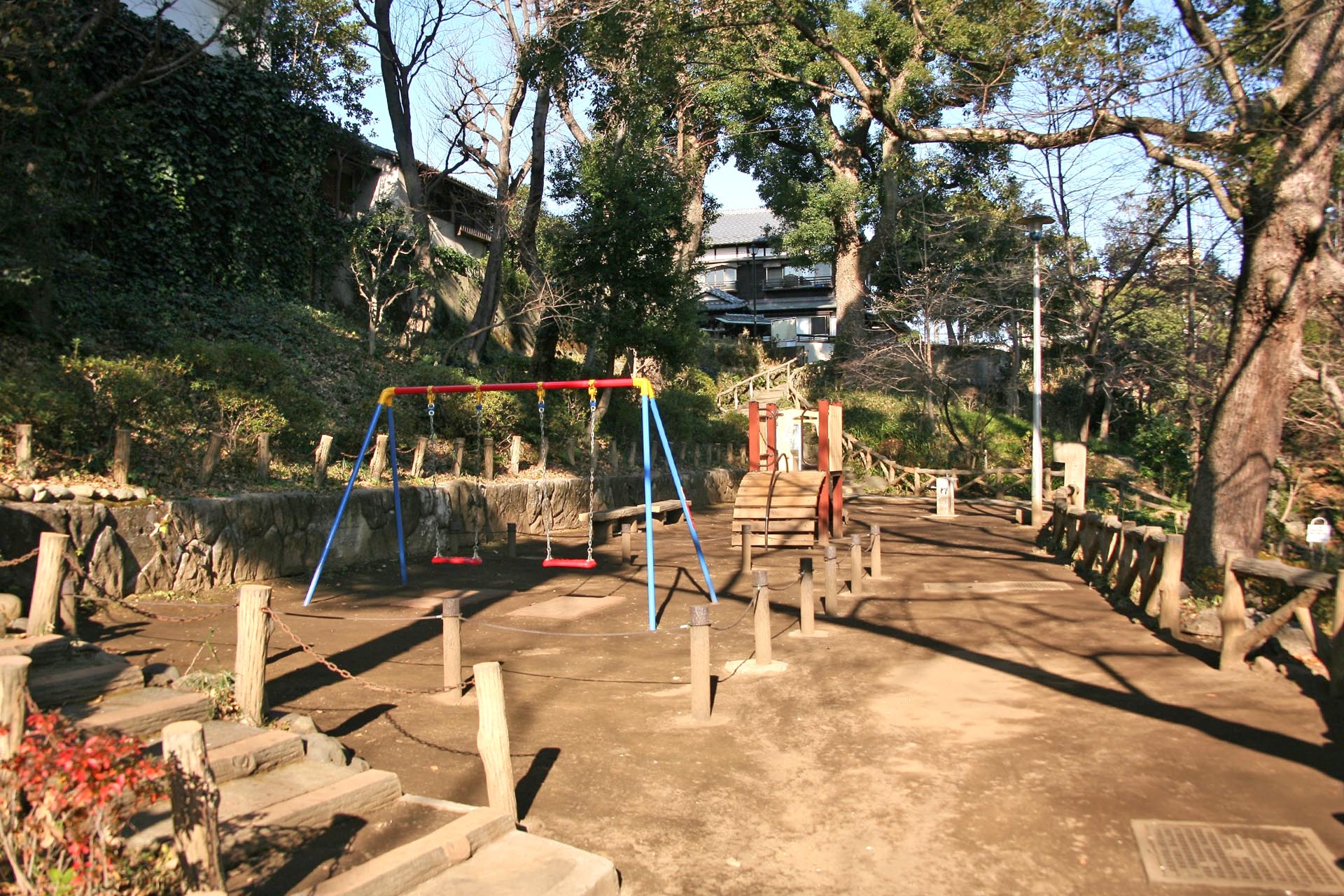
⛲ Nishinippori Park (7-minute walk from Dōkanyamashita Heiwa-kai)
Features: This elevated park is located right above JR Nishinippori Station and was once part of a scenic area historically called “Dōkan-yama.”
Highlights: Being on high ground, it offers views of the JR train tracks and platforms, making it popular among train enthusiasts. Lush with trees, it serves as a quiet retreat away from the city’s hustle and bustle.
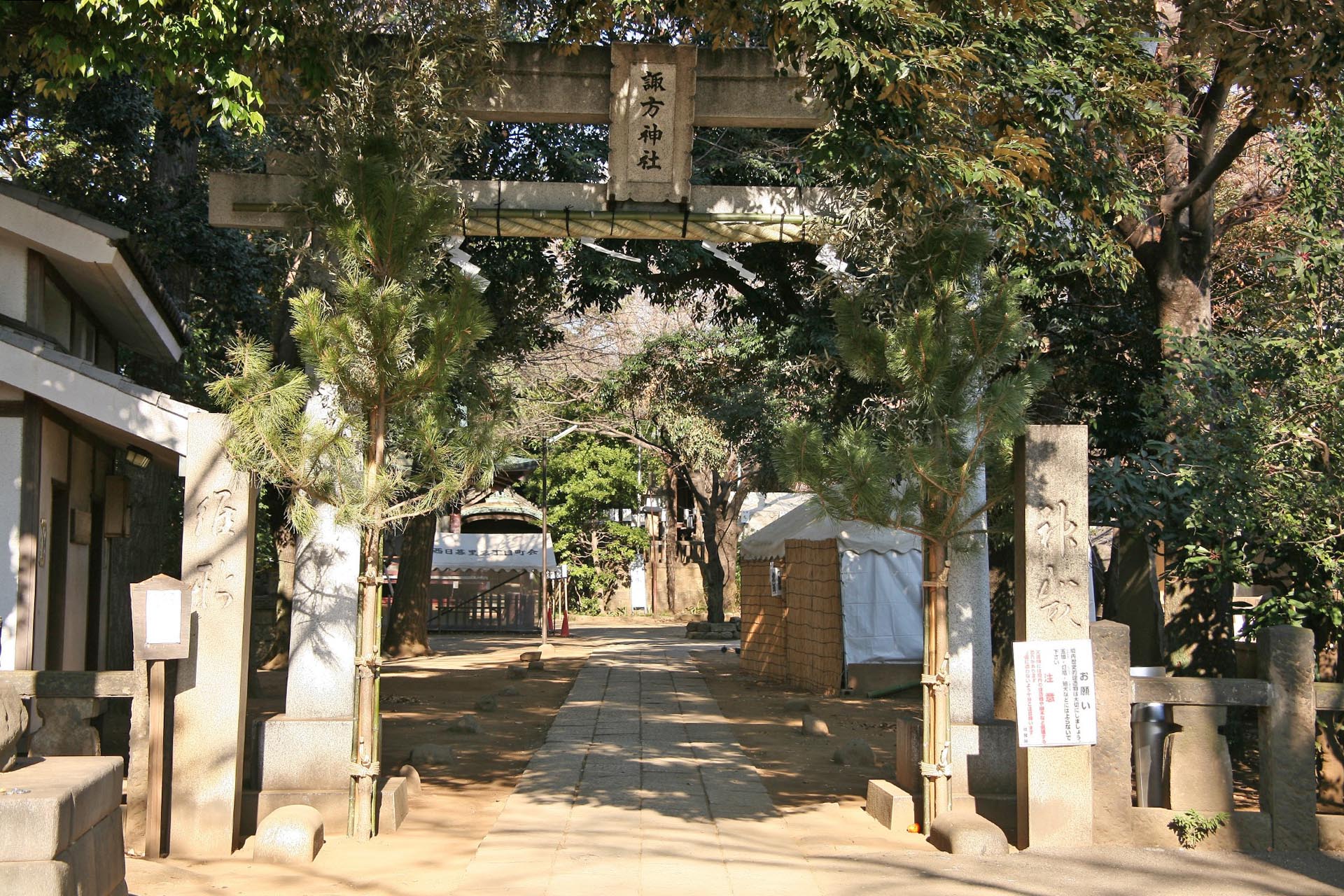
⛩️ Suwa Shrine (7-minute walk from Dōkanyamashita Heiwa-kai)
Features: An old shrine located right next to Nishinippori Park, beloved as the tutelary deity (chinju-sama) of the Nishinippori area.
History: Its founding dates back to ancient times, and it has been a center of faith for local residents. The annual summer festival (Reitaisai) is a major community event.
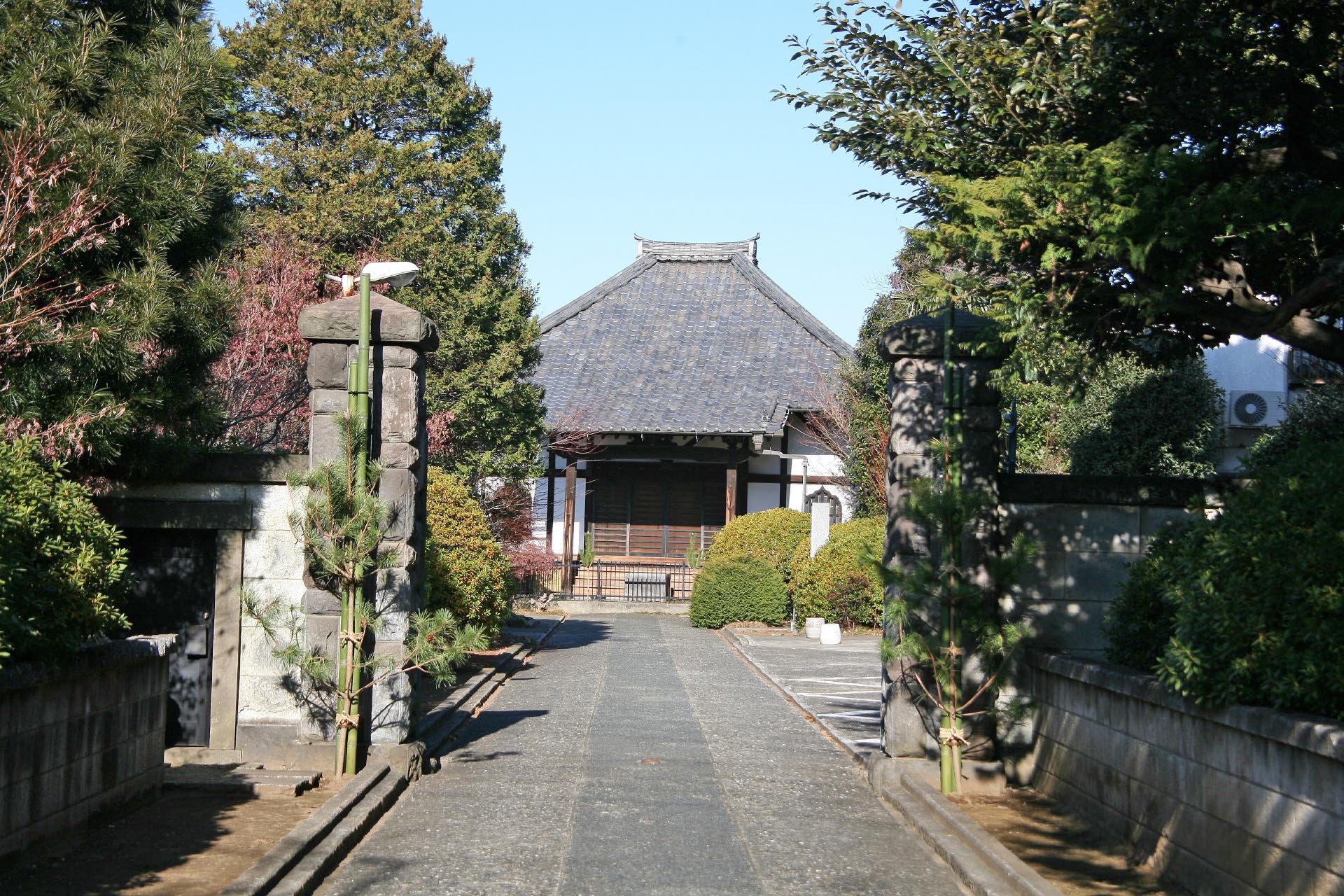
🙏 Enmyō-in Temple (10-minute walk from Dōkanyamashita Heiwa-kai)
Features: A Buddhist temple near Nippori Station.
Highlights: The temple grounds feature a large Japanese Chinquapin tree, known as “Enmyō-in no Ōjii,” and a wooden standing statue of Shichimen Myōjin, both designated as cultural properties of Arakawa Ward. It is also famous for its connection to Yaoya Oshichi (the greengrocer’s daughter Oshichi) from a well-known Edo-period story.
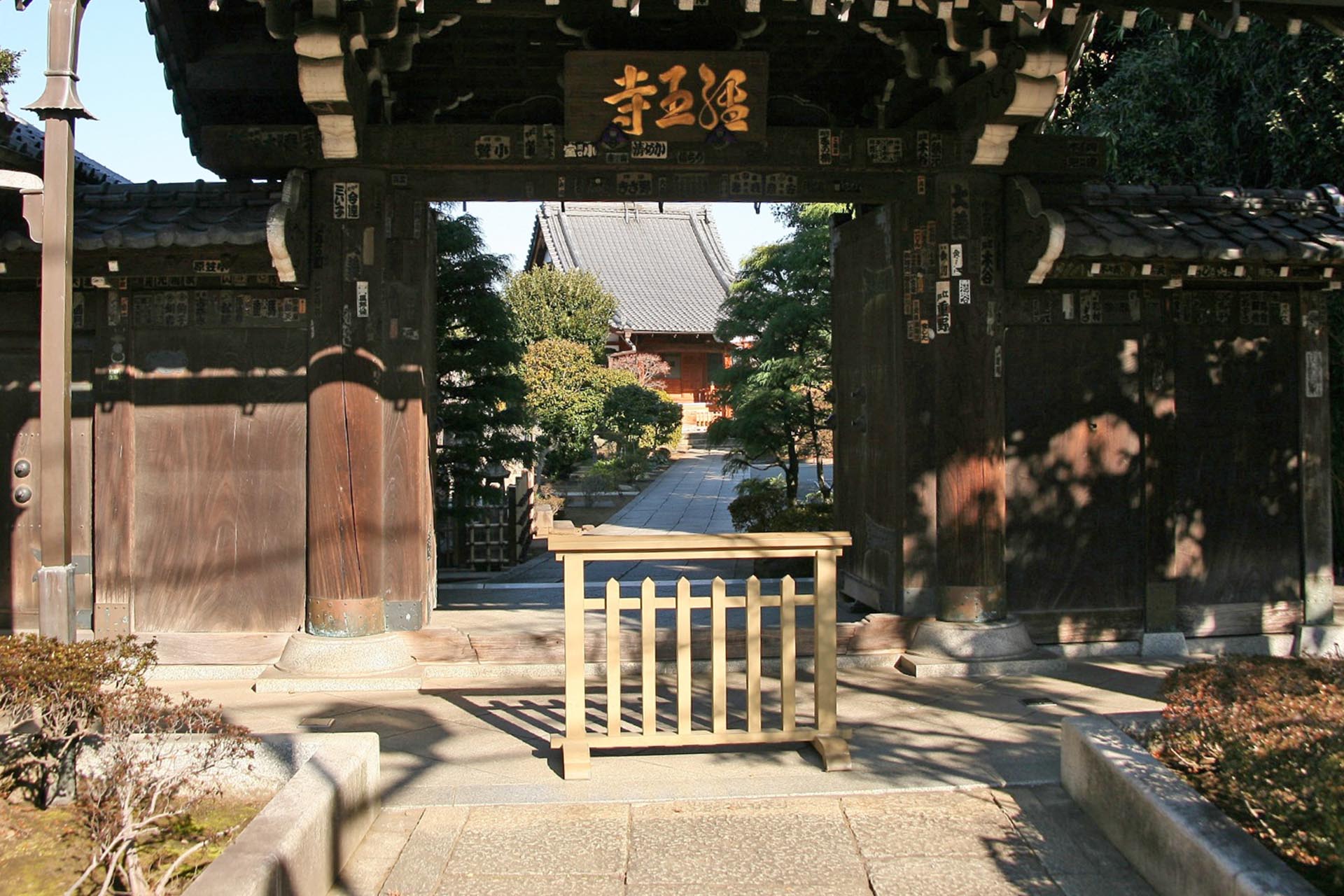
🙏 Kyōōji Temple (12-minute walk from Dōkanyamashita Heiwa-kai)
Features: A Buddhist temple near Nippori Station.
History: Founded in 1655 during the Edo period. It is associated with the Boshin War (Japanese Civil War). Its weeping cherry blossoms in spring are beautiful.
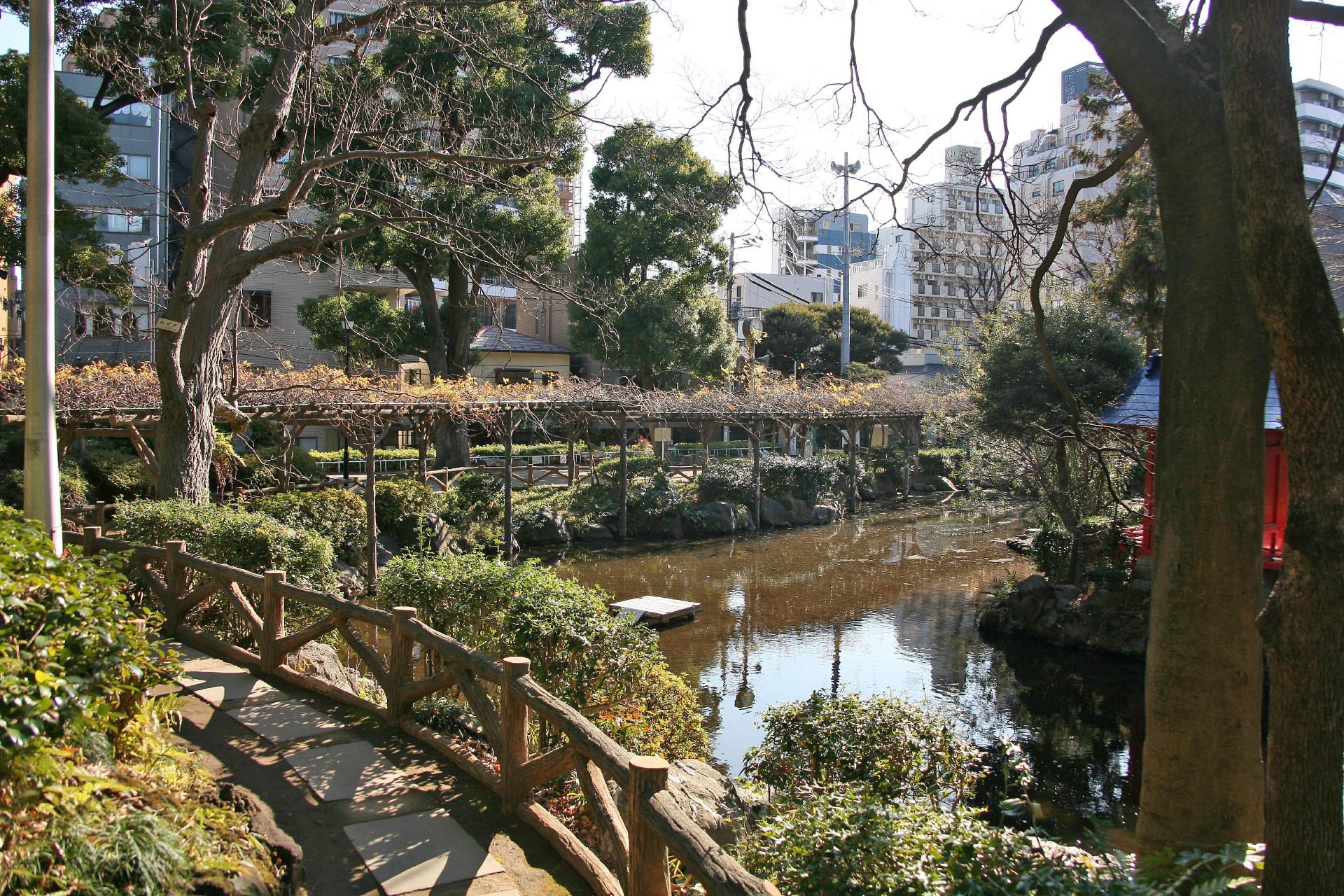
⛲ Sudō Park (7-minute walk from Dōkanyamashita Heiwa-kai)
Features: A park in Sendagi, Bunkyō Ward, featuring a strolling-style garden (kaiyūshiki teien).
Highlights: This site was formerly the residence of a chief retainer (karō) of the Kaga Domain, and later the mansion of businessman Sudō Kichizaemon during the Meiji period. Taking advantage of the varied terrain, it features a pond and a waterfall, making it a charming spot to enjoy natural scenery right in the city center.
⛩️ Nezu Shrine (20-minute walk from Dōkanyamashita Heiwa-kai)
Features: A shrine of historical significance and high status, counted as one of the Ten Shrines of Tokyo (Tokyo Jissha).
Highlights: The main structures (Honden, Haiden, Heiden, etc.) are designated as National Important Cultural Properties, representing the Gongen-zukuri style of architecture. Every spring, the spectacular “Azalea Festival” (Tsutsuji Matsuri) is famous for the approximately 3,000 azalea bushes blooming on the grounds. The Senbon Torii (the continuous row of red torii gates at Otome Inari Shrine) is also a popular photo spot.