
Dōkanyamashita Heiwa-kai
「Dōkanyamashita Heiwa-kai」
As the name suggests, the Dōkanyamashita Heiwa-kai was established in 1948 (Showa 23), shortly after the end of World War II.
Its inception occurred when enthusiastic shop owners gathered with the purpose of fostering goodwill and fellowship, during a time when signs of recovery were visible as stores began to line the burnt-out ruins.
The association is a T-shaped shopping street, extending 100 meters north and south, and 100 meters to the west, from the Dōkanyamashita intersection. This intersection lies between the Nishinippori Station and Sendagi Station on the Chiyoda Line—stations that did not exist at the time the association was founded. It is situated along a busy metropolitan road, separated by Shinobazu-dori Avenue, which sees heavy traffic.
Located within the Sendagi 3-chome Kita neighborhood association—one of the 23 neighborhood groups of Nezu Shrine—it is a calm area rich in the atmosphere of Tokyo’s traditional shitamachi (old downtown).
The association’s motto ensures that visitors can come and shop in an environment that is “Safe and Secure.”
As the first priority for safety, the association installed 32 streetlights back when only mercury lamps were available. These lights have now been upgraded to bright, second-generation LED lamps. Secondly, the association was an early adopter of security cameras. At the time, no other area under the jurisdiction of the Komagome Police Station had them installed.
Furthermore, we hold an annual social gathering to provide a pleasant occasion for members to interact and deepen their fellowship.
The History of Dōkanyama and Nishinippori
Let’s briefly trace the history of Dōkanyama, where the Dōkanyamashita Heiwa-kai is located.
The name Nishinippori is said to originate from the fact that Ōta Dōkan’s castle was located in this area. Another theory suggests it was named after Seki Kojirō Chōyō, who was the founder of Sekimyōzan Zenjō-ji Temple and Chōyōzan Kanshū-ji Temple (presently Tennōji Temple) and was also known as “Dōkanbō.”
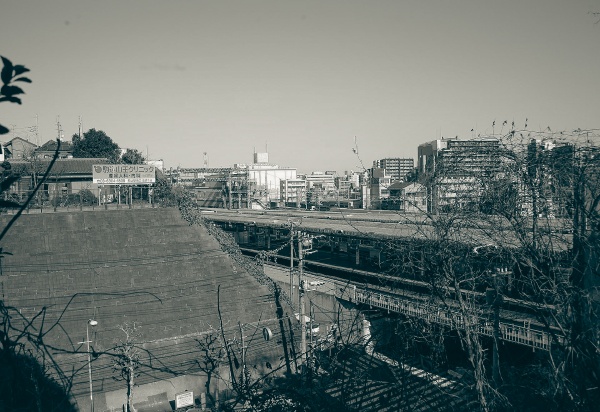
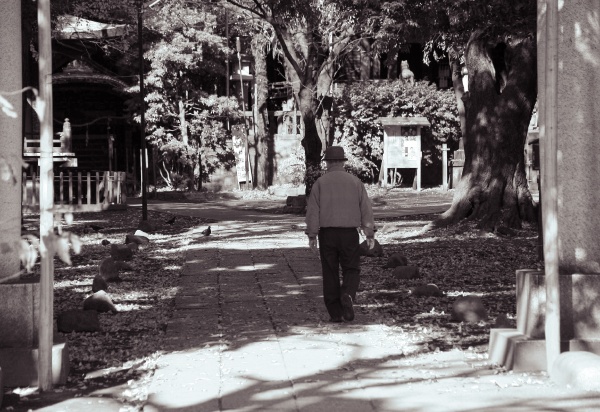

After the Meiji era, the area was covered with bamboo groves and was known as “Satake-Kuhara.” However, in 1916, Ji’uemon Watanabe, the president of the Twenty-Seventh Bank (later Tokyo Watanabe Bank), purchased the land and developed it into an exclusive residential area as part of his vision for a modern garden city. The entire district became known as Watanabe-chō and was home to many artists and cultural figures, including Hakutei Ishii. In 1932, the ward system was implemented, and Nippori-Watanabe-chō was formally adopted as the official place name.
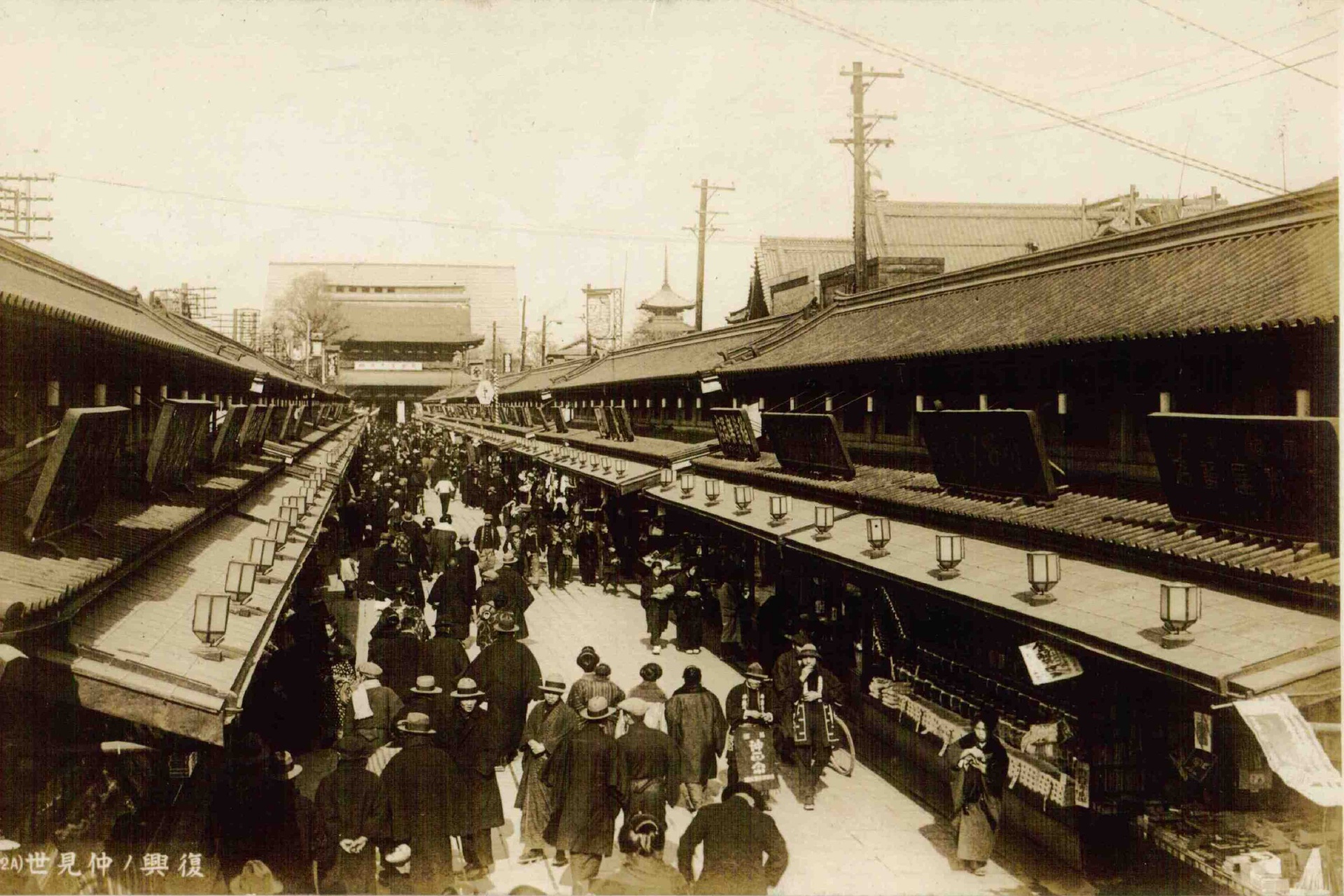

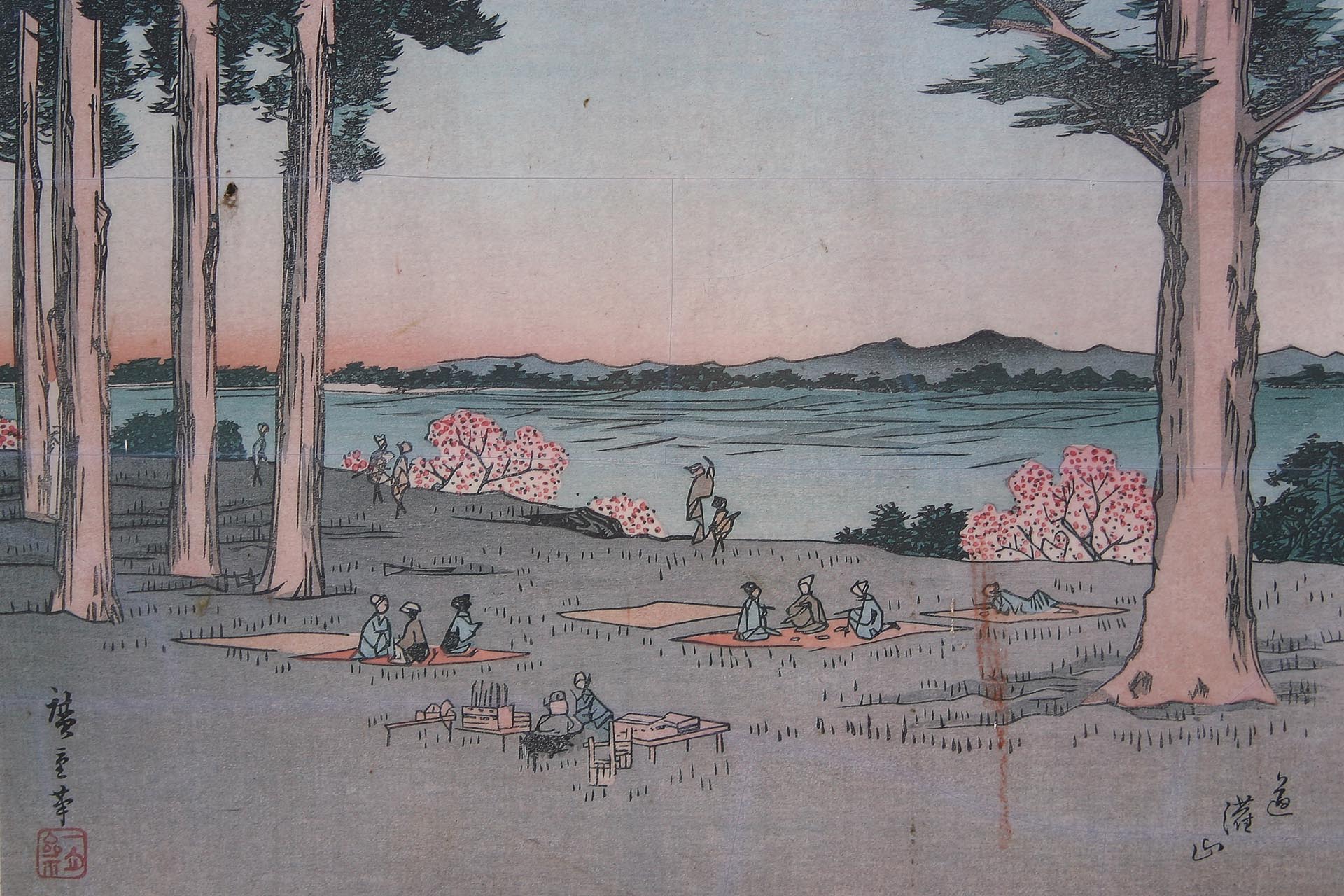
During the Edo period (1603-1867), the area was known as a famous spot for mushikiki (listening to the songs of insects), and it is said that literati and artists visited every autumn. They would observe the moon and listen to the sounds of the pine trees and bell crickets.
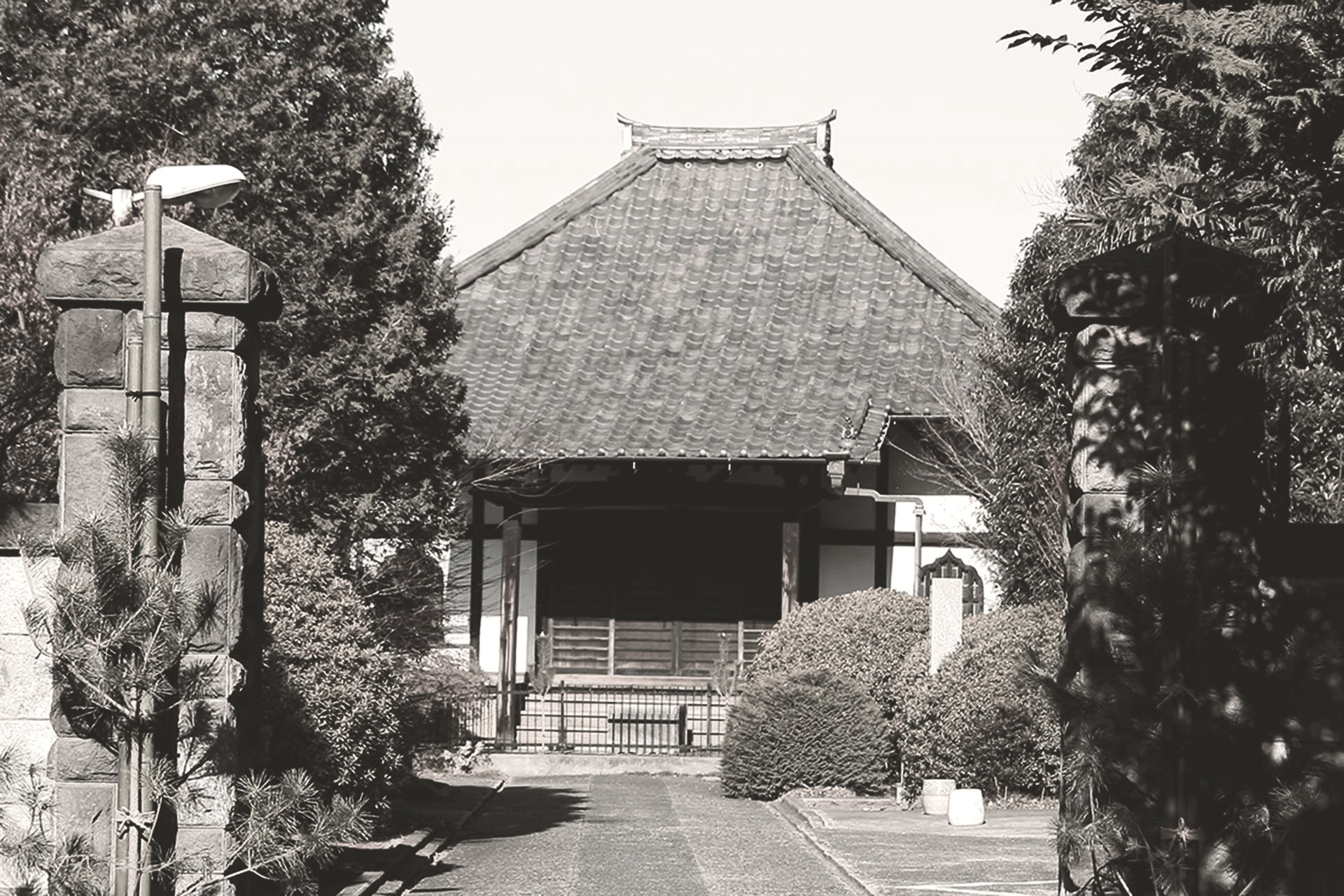
Nearby temples, Jōkō-ji, Hongyō-ji, and Seiun-ji, were also known by the elegant, literary names of “Yukimi-dera” (Snow-Viewing Temple), “Tsukimi-dera” (Moon-Viewing Temple), and “Hanami-dera” (Flower-Viewing Temple), reflecting the cultural tastes of the time. While the majority of Dōkanyama was the residence of the Satake Clan, the feudal lords of the Akita Domain, the eastern cliffside served as a recreational spot for the public. On clear days, the mountains of Tsukuba and Nikkō could be viewed. Even today, you can enjoy the view from the grounds of Osuwa-sama (Suwa Shrine) and Nishinippori Park.
Dōkanyamashita Heiwa-kai: Activity Status
Streetlight Maintenance and Management: (Renewal of 32 streetlights, including LED lamps and covers, two years ago)
Security Camera Maintenance and Management: (Joint project with the neighborhood association; 4 additional cameras installed two years ago)
Cooperation with Bunkyo Ward Emergency Food Distribution: (To members, Kodomo Shokudō (children’s cafeterias), and the neighborhood association’s children’s festival)
Donation of Learning Notebooks for the neighborhood association’s children’s festival.
Cooperation with the Neighborhood Association’s Summer Radio Calisthenics.
Sponsorship for the Sendagi Marathon.
Annual Autumn Social Gathering for all members (held at Inageya last year).
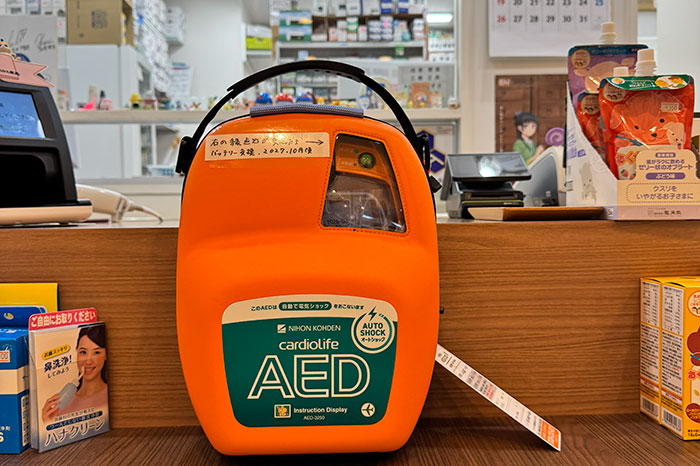
We have also installed an AED (Automated External Defibrillator).
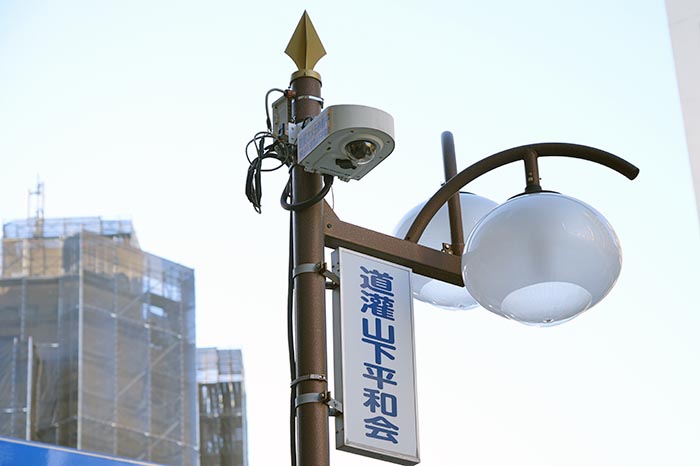
Equipped with Security Cameras